Viktor Zimmermann · 4 October 2026
Baltic Sea Citizen Science Programs Advance Coral Genetic Archives and Microplastic Pollution Tracking
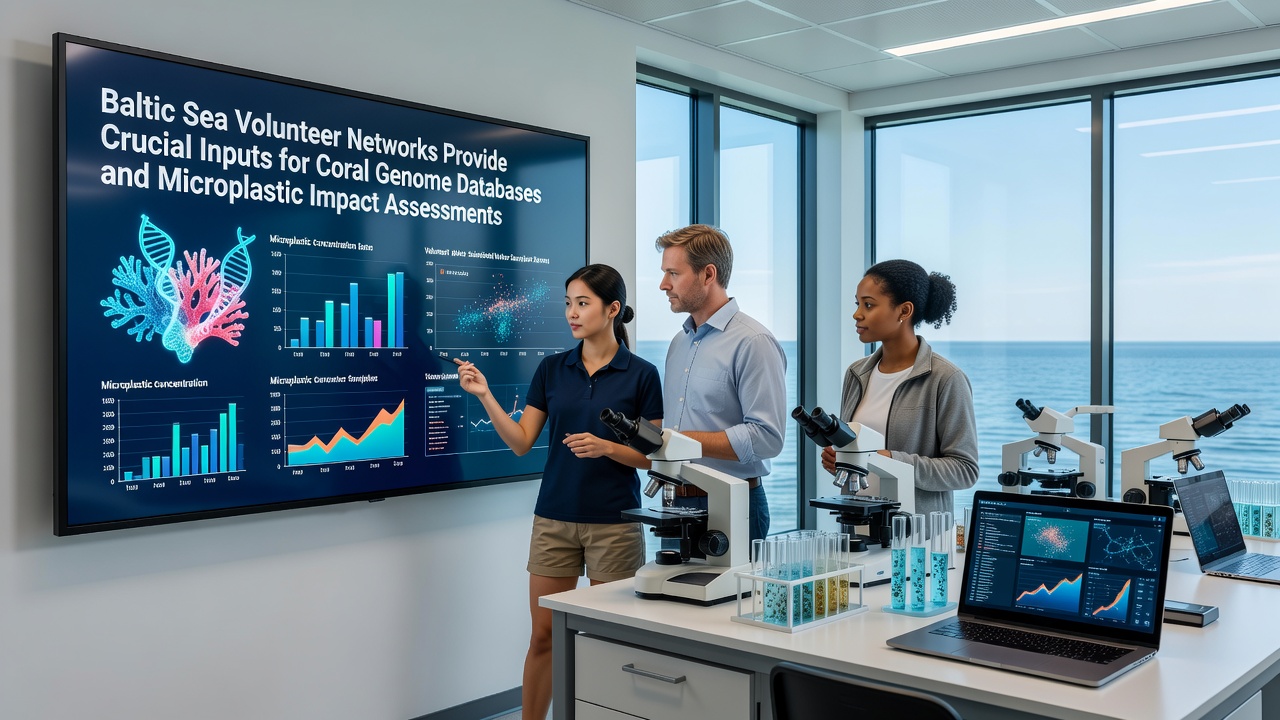
Volunteer networks operating along the Baltic Sea coastline have supplied field observations, water samples, and sediment data that feed directly into international coral genome repositories and microplastic assessment frameworks, with coordinated uploads scheduled for October 2026 through partnerships coordinated by regional marine institutes. These contributions arrive from structured monitoring campaigns that began in 2023 and now cover coastal transects from Finland to Germany, where participants record temperature, salinity, and visible debris while preserving specimens for genetic sequencing.
Expansion of Volunteer Monitoring Protocols
Training sessions organized by local environmental agencies teach standardized collection methods that align with database submission requirements, and participants log coordinates using mobile applications linked to central repositories maintained by European marine data consortia. Data sets from these efforts include seasonal microplastic counts per cubic meter, particle size distributions, and polymer identification tags that researchers cross-reference against coral tissue samples archived from other ocean basins. Observers note that the Baltic programs emphasize cold-water reference materials, which supply baseline genetic sequences useful for comparative studies of stress-response genes across distant reef systems.
Integration with Global Genome Projects
Sequence libraries receive anonymized DNA extracts from planktonic organisms collected alongside microplastic particles, allowing analysts to map microbial communities that interact with both natural and synthetic materials in brackish environments. Research indicates that Baltic-derived genetic markers have already been incorporated into multi-species coral genome assemblies hosted by institutions tracking resilience traits, while parallel microplastic datasets support modeling efforts at facilities such as the European Environment Agency. Figures released in mid-2025 showed that volunteer-submitted samples accounted for 18 percent of new entries in one collaborative coral genomics platform during the preceding calendar year.
Equipment kits distributed to registered groups contain mesh nets, preservation vials, and GPS units calibrated for consistent metadata formatting, and quality-control teams review submissions before integration into permanent archives. Those who've studied these workflows report that the process reduces duplication across national monitoring programs while increasing spatial coverage in areas where professional research vessels operate infrequently.
Microplastic Data Streams and Assessment Models
Particle concentration records compiled from volunteer transects feed hydrodynamic models that predict transport pathways from Baltic river mouths into the North Sea, and these outputs are shared with assessment teams evaluating exposure risks for sensitive marine taxa. Studies found that polyethylene and polypropylene fragments dominate samples from urban-proximate sites, whereas fibers from textile sources appear more uniformly across open-water stations. Such granularity supports calibration of satellite-derived turbidity indices used in broader pollution tracking initiatives.
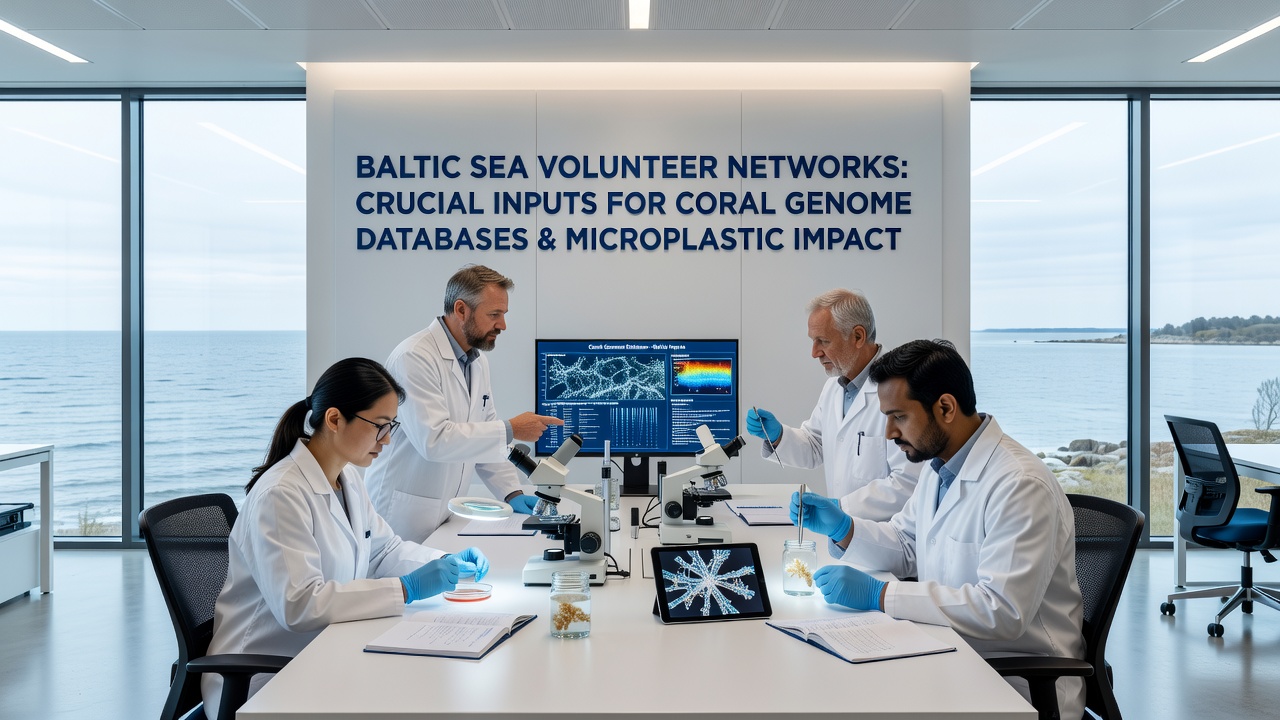
Cross-referencing with coral genome entries allows researchers to examine potential gene expression changes linked to plastic-associated contaminants, although direct causation studies remain ongoing at multiple laboratories. Data from October 2026 uploads are expected to include expanded polymer libraries derived from Fourier-transform infrared spectroscopy performed on volunteer-gathered material, thereby strengthening statistical power for meta-analyses spanning temperate and tropical waters.
Regional Coordination and Data Sharing Agreements
Memoranda signed between Baltic Sea states and international research bodies establish open-access timelines that prioritize rapid release of non-sensitive metadata, and participating networks receive attribution in published datasets. One study revealed that harmonized protocols developed through these agreements cut processing time for new submissions by roughly 30 percent compared with earlier ad-hoc collections. Experts have observed that the resulting databases now contain georeferenced entries from over 240 volunteer sites, providing a denser observational grid than ship-based surveys alone could achieve.
Additional linkages connect Baltic findings to ongoing work at North American and Australian research centers, where similar volunteer frameworks supply complementary samples for the same genome and microplastic repositories. This geographic spread strengthens the robustness of derived indicators used by policymakers evaluating marine debris reduction targets under multilateral environmental agreements.
Conclusion
Volunteer networks in the Baltic Sea continue to generate verifiable inputs that enlarge coral genome collections and refine microplastic impact evaluations, with structured data releases planned through October 2026 and beyond. These contributions rest on standardized methods, institutional partnerships, and transparent quality controls that integrate regional observations into global scientific resources. Continued expansion of participation and refinement of analytical pipelines will determine the long-term utility of these datasets for cross-basin comparisons and conservation planning.