Cameron Richter · 2 September 2026
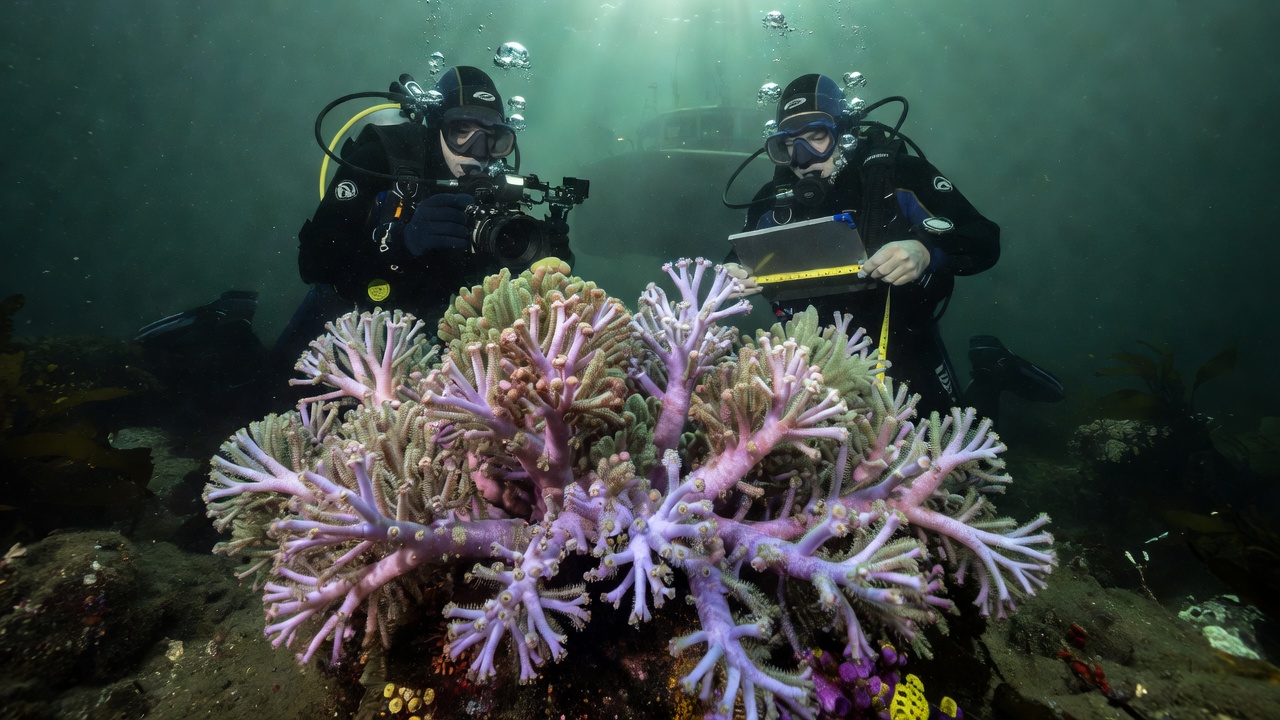
Researchers at the Coral Reef Research Hub have confirmed the discovery of a previously unknown coral species in the Baltic Sea near the Polish coastline. The finding, based on samples collected during a 2023 expedition, challenges long-held assumptions about coral distribution in temperate waters. Genetic sequencing revealed distinct markers separating the new species from known scleractinian corals.
Expedition and Analysis Methods
The team deployed remotely operated vehicles at depths between 45 and 68 meters off the Hel Peninsula. Divers and scientists gathered 27 specimens showing unusual branching patterns and a pale lavender coloration. Laboratory work included mitochondrial DNA barcoding and microscopic examination of skeletal structures. Results indicated the coral belongs to a new genus within the Caryophylliidae family. Environmental data logged during collection showed tolerance for lower salinity and temperatures ranging from 6 to 14 degrees Celsius. These conditions differ markedly from tropical reef habitats. Further tests confirmed symbiotic algae presence despite reduced light levels at the collection sites.
Lead researcher Dr. Anna Kowalski noted that the species exhibits slower growth rates than tropical counterparts, averaging 1.2 millimeters per year. Isotope analysis of the calcium carbonate skeleton provided a timeline suggesting the colonies are at least 180 years old. No commercial fishing activity overlaps with the primary discovery zone, reducing immediate anthropogenic pressure. The hub plans additional surveys to map the full geographic range along the southern Baltic basin.
Broader Scientific Implications
This identification expands understanding of coral adaptability in marginal environments. Models predicting poleward range shifts due to ocean warming may require revision. The new species could serve as a model organism for studying resilience to acidification and eutrophication. Collaboration with Polish marine institutes will focus on establishing protected monitoring stations. Educational outreach through the hub will incorporate findings into university curricula on marine biodiversity. Continued genetic work aims to clarify evolutionary relationships with Mediterranean and North Atlantic corals. Long-term monitoring will track population dynamics and potential responses to changing Baltic Sea conditions over the next decade.